
A Whole Lotta Family - Person Sheet
A Whole Lotta Family - Person Sheet
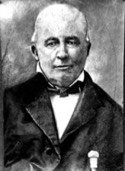
NameGovernor William Hendricks 

Honors1816-1822 Age: 33
Honors1822-1825, Corydon, , Indiana Age: 39
Honors1825-1837, Madison, Jefferson Co, Indiana Age: 42
Honors1829-1840 Age: 46
OccupationTeacher, Newspaper Publisher, Indiana Territorial Assemblyman, State Congressman, Governor of Indiana, US Senator
FatherCol Abram J Hendricks Esq (1750-1819)
MotherAnn B Jamison (1753-1834)
Spouses
Birth18 Mar 1799, Hardin Co, Kentucky11
Death12 Sep 1887, Madison, Jefferson Co, Indiana11 Age: 88
Burial14 Sep 1887, Fairmount Cemetery, Madison, Jefferson Co, Indiana525
FatherCol John Paul (1758-1830)
MotherSarah Thornberry “Sally” Grover (1775-1866)
Marriage19 May 1816, Madison, Jefferson Co, Indiana
ChildrenSarah Ann (1818-1905)
William (1821-1822)
John Abraham “Abram” (1824-1862)
Josiah Grover (1825-1914)
William Parker (1829-1897)
Maria P (1831-1867)
Paul (1832-1885)
Thomas (1836-1863)
Mary (1839-1840)
Ellen Corry “Ella” (1844-1927)
Joseph (~1846-1861)
Notes for Governor William Hendricks
William Hendricks was the descendant of one of Pennsylvania's largest Buckskin Pioneer families. The Patriarch of this extended family was Albertus (a.k.a.: Albert) Hendrickson, an indentured servant to Joost de la Grange. He immigrated with de la Grange on February 5, 1662 and married de la Grange's maid, Aeltje. Their first son Jacobus Hendrickson (changed to James Hendricks c1700) was born while Albert was still under his term of indenture.
William Hendricks, Governor of Indiana from 1822 to 1825 was born at Ligonier, Westmoreland County, Pennsylvania, in 1783. His parents were Abraham Hendricks and Ann (Jamison) Hendricks, descendants from old families of New Jersey. William Hendricks was educated at Cannonsburg, Pennsylvania, and shortly after his graduation, in 1810, went to Cincinnati, Ohio, where he studied law in the office of Mr. Carry, supporting himself in the meantime by teaching school. In 1814, he removed to Indiana, and located at Madison, which continued to be his home during the rest of his life. He began the practice of law at Madison, where he was also identified with journalism for some time, and shortly after his removal to the state, he was made secretary of the territorial legislature at Vincennes. In June 1816, he was appointed secretary of the constitutional convention, and in August of the same year was elected as the first and sole representative to congress from the newly created state, serving three successive terms. He discharged the duties of his high position with so much acceptability that at the end of his third term, 1822, he was elected governor of the state without opposition. Before the expiration of his term as governor, the legislature elected him a senator of the United States, and on February 12, 1825, he filed his resignation as governor. In 1831, he was re-elected, and at the expiration of this term, in 1837, he retired to private life and never afterward took upon himself the cares of public office. In 1840 he was one of the state electors on the Van Buren ticket, and it was during the campaign of that year the he contracted a disease from which he suffered the remainder of his life. Gov. Hendricks was a man of imposing appearance. He was six feet in height, handsome in face and figure, and had a ruddy complexion. He was easy in manner, genial and kind in disposition, and was a man who attracted the attention of all and won the warm friendship of many. He was brought up in the Presbyterian faith, early united with that church, and lived a consistent, earnest, Christian life. The Indiana Gazette of 1850 has the following mention of him: "Gov. Hendricks was for many years by far the most popular man in the state. He had been its sole representative in congress for six years, elected on each occasion by large majorities, and no member of that body, probably, was more attentive to the interests of the state he represented, or more industrious in arranging all the private or local business entrusted to him. He left no letter unanswered, no public office or document did he fail to visit or examine on request; with personal manners very engaging, he long retained his popularity." He died May 16, 1850.
http://www.countyhistory.com/doc.gov/start.html
HENDRICKS, William, 1782-1850
Years of Service: 1825-1829; 1829-1837
Party: Adams; Anti-Jackson
HENDRICKS, William, (uncle of Thomas Andrews Hendricks), a Representative and a Senator from Indiana; born in Ligonier Valley, Westmoreland County, Pa., November 12, 1782; attended the common schools and graduated from Jefferson College (later Washington and Jefferson College), Washington, Pa., in 1810; taught school 1810-1812; studied law in Cincinnati, Ohio; was admitted to the bar and practiced; moved to Madison, Indiana Territory, in 1813; became a printer and owner of the second printing press set up in the Territory; proprietor of the Western Eagle; elected to the territorial legislature in 1813 and 1814, and was chosen speaker of the Assembly in 1814; territorial printer; secretary of the first State constitutional convention in 1816; upon the admission of Indiana as a State into the Union was elected to the Fourteenth Congress; reelected to the Fifteenth, Sixteenth, and Seventeenth Congresses and served from December 11, 1816, until his resignation July 25, 1822, to become Governor; Governor of Indiana 1822-1825, when he resigned to become a Senator; elected to the United States Senate in 1824; reelected in 1830 and served from March 4, 1825, to March 3, 1837; unsuccessful candidate for reelection in 1836; chairman, Committee on Roads and Canals (Twenty-first through Twenty-fourth Congresses); resumed the practice of law in Madison, Ind.; trustee of Indiana University at Bloomington 1829-1840; died in Madison, Ind., May 16, 1850; interment in Fairmount Cemetery.
Bibliography
DAB; Hill, Frederick. William Hendricks Political Circulars to His Constituents: First Senatorial Term, 1826-1831. Indiana Magazine of History 71 (June 1975): 124-80; Hill, Frederick. William Hendricks Political Circulars to His Constituents: Second Senatorial Term, 1831-1837. Indiana Magazine of History 71 December 1975): 319-74.
Other sources: First Ladies of Indiana and the Governors 1816-1984, Margaret Moore Post, 1984.
William Hendricks, Governor of Indiana from 1822 to 1825 was born at Ligonier, Westmoreland County, Pennsylvania, in 1783. His parents were Abraham Hendricks and Ann (Jamison) Hendricks, descendants from old families of New Jersey. William Hendricks was educated at Cannonsburg, Pennsylvania, and shortly after his graduation, in 1810, went to Cincinnati, Ohio, where he studied law in the office of Mr. Carry, supporting himself in the meantime by teaching school. In 1814, he removed to Indiana, and located at Madison, which continued to be his home during the rest of his life. He began the practice of law at Madison, where he was also identified with journalism for some time, and shortly after his removal to the state, he was made secretary of the territorial legislature at Vincennes. In June 1816, he was appointed secretary of the constitutional convention, and in August of the same year was elected as the first and sole representative to congress from the newly created state, serving three successive terms. He discharged the duties of his high position with so much acceptability that at the end of his third term, 1822, he was elected governor of the state without opposition. Before the expiration of his term as governor, the legislature elected him a senator of the United States, and on February 12, 1825, he filed his resignation as governor. In 1831, he was re-elected, and at the expiration of this term, in 1837, he retired to private life and never afterward took upon himself the cares of public office. In 1840 he was one of the state electors on the Van Buren ticket, and it was during the campaign of that year the he contracted a disease from which he suffered the remainder of his life. Gov. Hendricks was a man of imposing appearance. He was six feet in height, handsome in face and figure, and had a ruddy complexion. He was easy in manner, genial and kind in disposition, and was a man who attracted the attention of all and won the warm friendship of many. He was brought up in the Presbyterian faith, early united with that church, and lived a consistent, earnest, Christian life. The Indiana Gazette of 1850 has the following mention of him: "Gov. Hendricks was for many years by far the most popular man in the state. He had been its sole representative in congress for six years, elected on each occasion by large majorities, and no member of that body, probably, was more attentive to the interests of the state he represented, or more industrious in arranging all the private or local business entrusted to him. He left no letter unanswered, no public office or document did he fail to visit or examine on request; with personal manners very engaging, he long retained his popularity." He died May 16, 1850.
http://www.countyhistory.com/doc.gov/start.html
HENDRICKS, William, 1782-1850
Years of Service: 1825-1829; 1829-1837
Party: Adams; Anti-Jackson
HENDRICKS, William, (uncle of Thomas Andrews Hendricks), a Representative and a Senator from Indiana; born in Ligonier Valley, Westmoreland County, Pa., November 12, 1782; attended the common schools and graduated from Jefferson College (later Washington and Jefferson College), Washington, Pa., in 1810; taught school 1810-1812; studied law in Cincinnati, Ohio; was admitted to the bar and practiced; moved to Madison, Indiana Territory, in 1813; became a printer and owner of the second printing press set up in the Territory; proprietor of the Western Eagle; elected to the territorial legislature in 1813 and 1814, and was chosen speaker of the Assembly in 1814; territorial printer; secretary of the first State constitutional convention in 1816; upon the admission of Indiana as a State into the Union was elected to the Fourteenth Congress; reelected to the Fifteenth, Sixteenth, and Seventeenth Congresses and served from December 11, 1816, until his resignation July 25, 1822, to become Governor; Governor of Indiana 1822-1825, when he resigned to become a Senator; elected to the United States Senate in 1824; reelected in 1830 and served from March 4, 1825, to March 3, 1837; unsuccessful candidate for reelection in 1836; chairman, Committee on Roads and Canals (Twenty-first through Twenty-fourth Congresses); resumed the practice of law in Madison, Ind.; trustee of Indiana University at Bloomington 1829-1840; died in Madison, Ind., May 16, 1850; interment in Fairmount Cemetery.
Bibliography
DAB; Hill, Frederick. William Hendricks Political Circulars to His Constituents: First Senatorial Term, 1826-1831. Indiana Magazine of History 71 (June 1975): 124-80; Hill, Frederick. William Hendricks Political Circulars to His Constituents: Second Senatorial Term, 1831-1837. Indiana Magazine of History 71 December 1975): 319-74.
Other sources: First Ladies of Indiana and the Governors 1816-1984, Margaret Moore Post, 1984.
*New [OBJE] notes for Governor William Hendricks
Newspapers-The Western Eagle was the first paper published in the town of Madison and the second one published in the State. The Western Sun (published in Vincennes, beginning in 1804), being the first one. It was established by Wm. Hendricks and Wm. Cameron, the first number being issued on May 26th, 1813, at Madison, Indiana territory. In the address to the public the editor says it "will be published weekly, and printed on a royal sheet." It was a four page paper, with four columns to the page. It had news from all over our country of from four to six weeks old. This paper continued in the hands of Hendricks and Cameron until the year 1815, when Hendricks sold out to Cameron. After that time there is no reliable history concerning it.
--Jefferson County, by W. P. Hendricks; from Biographical and Historical Souvenir for the Counties of Clark, [etc.] Indiana. 1889.
--Jefferson County, by W. P. Hendricks; from Biographical and Historical Souvenir for the Counties of Clark, [etc.] Indiana. 1889.
Notes for Governor William Hendricks
William Hendricks was born in 1783, in
Westmoreland Co., Pa., removed to Indiana, in 1814, and was one of the first settlers of the town of Madison,
Ind. He was secretary of the first state constitutional convention. Was elected to Congress on the democratic ticket, and was subsequently elected Governor of Indiana. He died May 16, 1850 in Madison, Ind.526
Westmoreland Co., Pa., removed to Indiana, in 1814, and was one of the first settlers of the town of Madison,
Ind. He was secretary of the first state constitutional convention. Was elected to Congress on the democratic ticket, and was subsequently elected Governor of Indiana. He died May 16, 1850 in Madison, Ind.526